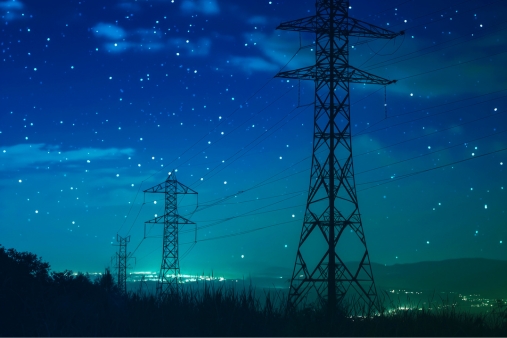



Artificial Intelligence (AI) is emerging as a transformative technology within power generation. With its ability to analyze vast amounts of data, make predictions, and automate complex tasks, AI for power plant operations holds immense potential for enhancing efficiency, reliability, and profitability. Understanding the practical applications of AI is crucial for strategic decision-making and risk reduction.
AI Use Cases in Power Generation
Through our collaborations with EPRI, INL, and various power generation operators, we have identified a wide range of AI use cases for power plants, including Generative AI, Predictive Maintenance and System Monitoring, Plant Operations, Asset Lifecycle Management, and OT Cybersecurity. The following provides a detailed overview of common use cases.
Generative AI
Generative AI learns from previously produced plant electronic reports, work plans, and records. It assists knowledge workers by quickly generating draft content for new reports, saving hours of writing, research, and fact-finding.
Specific Examples

Automating work order planning and scheduling

Creating environmental reports based on emission data
Generating safety incident reports based on incident data

Creating maintenance health reports based on equipment inspection or sensor data
Streamlining the design engineering process (compiling historical details for mods, gathering data from approved designs into a database, and training algorithms)
Predictive Maintenance and System Monitoring
AI reviews a constant stream of data from plant system sensors and anticipates equipment failures based on trends, advanced pattern recognition, and data anomalies.
Specific Examples



Plant Operations
Machine-learning (ML) algorithms analyze operational data in real time and inform operators in the control room when to adjust settings that affect heat-rate efficiency for gas plants or power output and reactivity for nuclear plants.
Specific Examples

Optimizing the combustion process in a gas power plant through temperature, pressure, and flow rate data analysis

Adjusting wind turbine blade angles for optimal capacity factor based on wind speed and direction

Optimizing the arrangement of fuel rods to maximize nuclear energy output while minimizing waste

Managing coolant flow in a nuclear plant for optimal heat transfer based on temperature and pressure data
Optimizing the operation of pumps in a hydroelectric power plant based on water flow and turbine speed data
AI for power plant applications can predict the remaining useful life of equipment, helping to optimize maintenance schedules and capital investment plans.
Specific Examples
Predicting the remaining useful life of major components (e.g., turbine, generator, transformers) based on operational and maintenance data

Estimating the time to failure for critical components based on monitoring and diagnostic data to direct replacements during planned outages

Supporting inventory management for generation plants
OT Cybersecurity
AI detects and responds to cybersecurity threats in operational technology (OT) systems., demonstrating how ai for power plant security strengthens resilience. AI assesses and prioritizes vulnerabilities in OT networks, reducing cybersecurity risk.
Specific Examples

Identifying unauthorized access attempts in industrial and plant control systems
Detecting anomalies in the communication protocols of solar power inverters

Monitoring OT network traffic for malicious activities

Providing real-time threat detection and auto-assisting incident response

Prioritizing cybersecurity risks and vulnerabilities to address/patch in-plant OT networks
Practical Implementation Hurdles
Implementing AI for power plant operations is not without its challenges. These include:
- Data Management: Companies may struggle to handle large volumes of data, especially in real time. Poor data quality can lead to inaccurate predictions.
- Legal and IP Concerns: There are legal issues regarding the storage of sensitive data and the ownership of AI-generated IP, especially when third-party providers are involved.
- Complexity and Time Investment: Loading massive amounts of documents and training AI models can be complex and time-consuming. This can pose a significant challenge, especially for organizations that are new to AI and ML technologies.
- Talent and Skill Shortages: Implementing and maintaining AI/ML solutions may require specialized skills and expertise, including data scientists, ML engineers, and domain experts not currently found within your organization. Power generation companies may face challenges in recruiting and retaining the necessary talent, especially in highly competitive markets. There is also a shortage of experienced technical employees or engineers who provide quality assurance/control and challenge detailed AI-generated calculations and reports that junior engineers are unfit to review.
- Cybersecurity and Data Privacy: The integration of AI/ML systems with operational technology and the increased reliance on data can expose power generation organizations to new cybersecurity threats and data privacy risks.
- Confidence in AI: Gaining confidence in AI’s ability to produce reliable results can be a barrier. Understanding the AI application’s design can help overcome this.
Recommendations
To successfully implement AI for power plant operations, we recommend the following steps:
- Assess your business needs and develop an AI strategy that aligns with your organization’s goals and resources. This includes developing use cases and examining the business case for each to determine the most viable AI applications within your company. Discuss and discover the hurdles associated with AI implementation, especially the structure and location of the company’s data. Decide the type of AI data tools and architecture (e.g., keeping data local, utilizing a secure or private cloud, or housing data on a third-party server).
- Build an AI-ready workforce by upskilling existing employees and recruiting new talent with the skills and expertise needed. Assess the current skills available in the workforce and develop training to leverage your plant operations, engineering, and maintenance experts to identify AI opportunities that will help drive value in your business operations and reward them. Consider adding new roles like data scientists, ML engineers, and robotics/drone experts to your workforce plans. Consider hiring or partnering with external experts to supplement the internal workforce.
- Implement your AI strategy in phases, starting with pilot projects, learning from the outcomes, and gradually scaling up successful initiatives. Select the appropriate AI technologies and architectures that will work best for the corporation, including data security, platforms, tools, and hardware. For Generative AI efforts we recommend adopting a Crawl, Walk, Run approach. Pilot use cases and validate by starting small to test feasibility, performance, and integration of the solutions. When use cases show promise, scale them using a preplanned rollout and initiative details.
This approach ensures a gradual adoption of AI technologies, allowing your organization to build capabilities while mitigating risks.
Why Partner with ScottMadden
ScottMadden, Inc., brings deep industry experience and a proven track record of helping power generation companies navigate the complexities of AI implementation in power plants. Our team of experts can guide you through every step of your AI journey from strategy development and workforce training to technology implementation. Partnering with ScottMadden can significantly enhance the value you can unlock from your AI initiatives, ensuring you achieve the full benefits of this transformative technology.