


- Only 19% of organizations have formal succession plans1.
- 72% of organizations focus succession planning primarily on executive and senior management roles, neglecting broader management layers and skills critical for operational continuity2.
- The U.S. labor force participation rate is projected to drop from 62% in 2023 to approximately 58% by 2030, intensifying skill mismatches in healthcare, education, and manufacturing3.
As we outlined in Bridging the Skills Gap: Strategic Workforce Planning and Development, most organizations have launched talent initiatives to combat skill gaps and talent shortfalls. However, succession planning remains a significant gap for four out of five organizations.
To help organizations assess and strengthen their succession planning process, we introduce a comprehensive framework that involves strategic management across three critical areas:
Strategic Management Framework

Inputs
Clear People Data
and Structure

Business Strategy/Needs

Leadership Competencies

Performance Measurement

(Self-Assessed) Performance and Career Path Interests

Leadership Development Mechanisms
Analysis
Enables Effective Analysis
and Gap Identification

Skillset Clustering

Leadership Talent Calibration

HiPo vs. Succession Needs

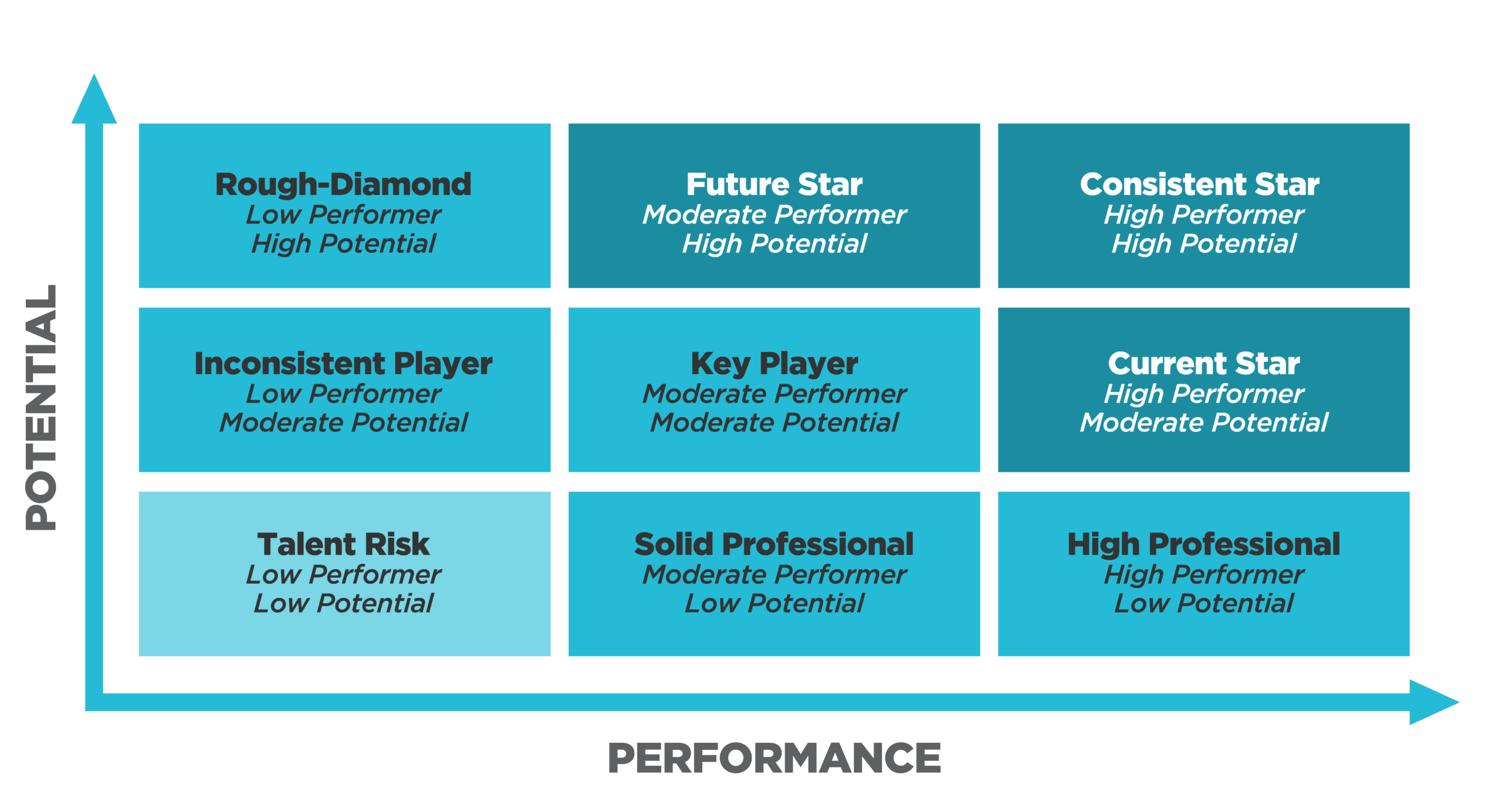
Leadership Talent 9-box (or similar)

Case Change

Outputs
Which Yields Enterprise
Alignment and Action

Senior Leadership Alignment

Leadership Development Focus Areas

Succession Candidates (1-,2-,3-level)

Clear Pathways for Support—Individually and Collectively
INPUTS
ANALYSIS
Leading organizations leverage a suite of tools to identify areas of skill abundance and scarcity. While some of these tools are not new (e.g., skills clustering, 9-box grids), they are being reimagined to fit the trending skills-based approach to talent. Collectively, these tools enable HR to build the case for change when delivering the succession planning program to the organization.
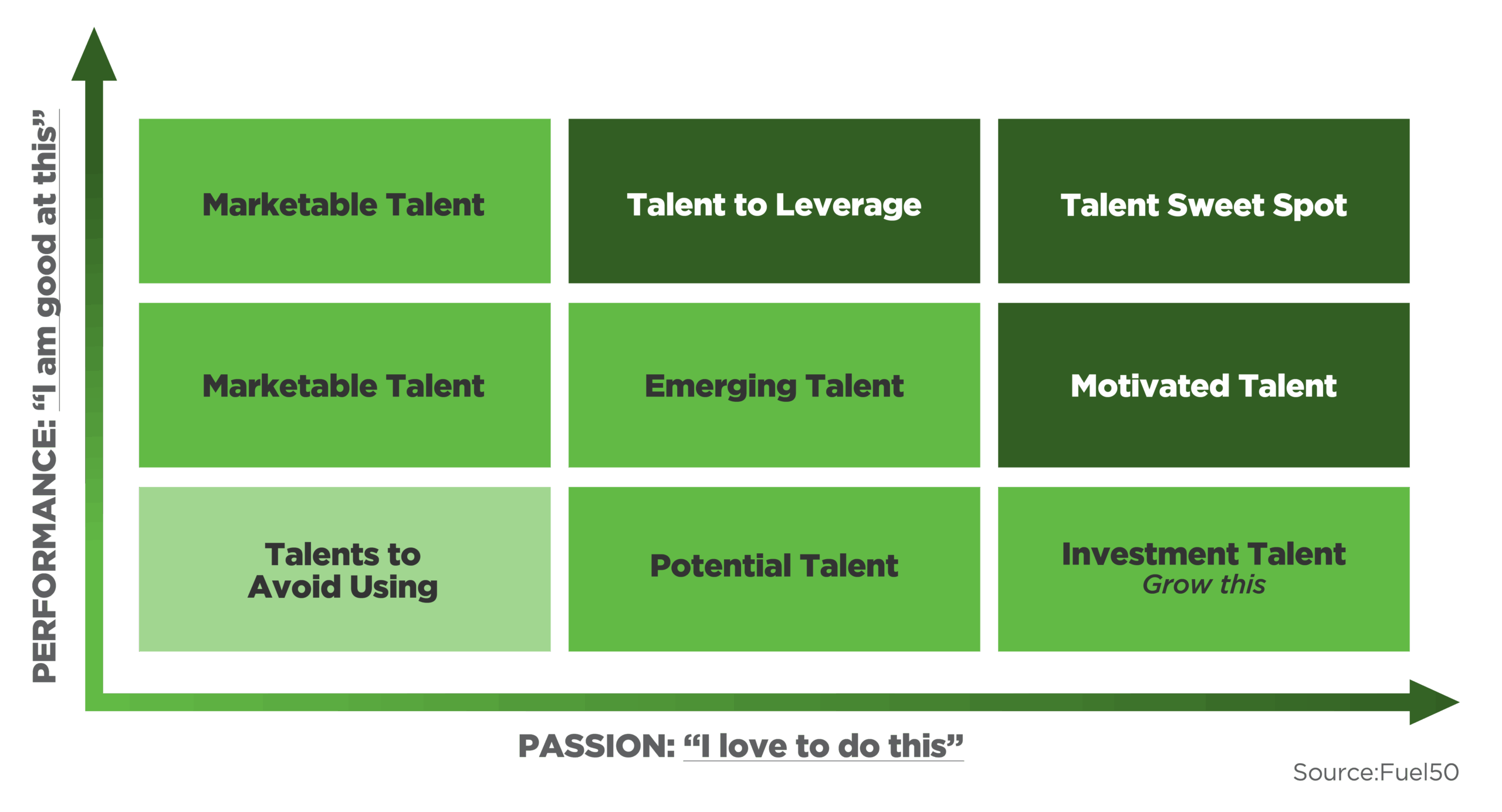
However, more recently, organizations are restructuring the traditional 9-box to fit their values and drive tangible action.
OUTPUTS
The cohesive link between business strategies, talent management mechanisms, and the case for change ensures C-suite buy-in for the succession planning process and outcomes. This structured succession planning framework delivers tangible results: succession plans for every key role, focused leadership development program content, and the groundwork for individual and group development plans.
By leveraging this succession planning framework, organizations can diagnose weaknesses, build resilience, and create a sustainable leadership pipeline for the future.
This structured succession planning process enables organizations to integrate their business strategies and leadership pipelines, intentionally develop leadership candidates, and position the organization for long-term success.
Relevant Case Studies
- Skills Assessment (HR Competency Builder) A healthcare system collaborated with ScottMadden to transition to a new HR service model. Using ScottMadden’s HR Competency Builder, 360-degree assessments were conducted to clearly identify staff skill gaps and align competencies with new strategic objectives. This structured approach improved professional development outcomes and successfully positioned the organization for future leadership roles.
- Succession Planning Framework: An electric utility collaborated with ScottMadden to implement a robust succession planning framework to support long-term strategic workforce planning. The initiative focused on identifying critical roles, defining key skills and experiences, and effectively recognizing and developing future leaders. To enhance these efforts, the client’s existing data on performance and development was optimized, enabling the integration of succession planning capabilities into their HCM.
How ScottMadden Can Help
ScottMadden supports organizations in building robust succession planning strategies and programs. We leverage data-driven methods (e.g., skills assessments, validation and collaboration tools) to provide tailored talent assessments, benchmarking insights, and structured leadership development pathways. Learn more about our expertise in Human Capital Management for optimal organizational performance, and contact us for a succession planning health check to ensure your leadership pipeline is ready for the future.
- Society for Human Resource Management, 2022
- SHRM Benchmarking: Human Capital Report, 2022
- Charalambous, 2024