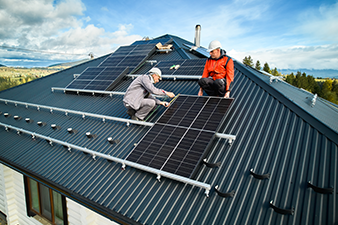


The growth of utility-scale solar + storage is reshaping how asset owners design, operate, and optimize their portfolios. As plants grow larger, operate longer, and incorporate increasingly sophisticated technologies, operations and maintenance (O&M) programs must evolve to keep pace. Owners are now expected to maximize performance and availability while managing cost, safety, compliance, and long-term reliability across diverse assets and geographies.
Today’s solar + storage landscape reflects three major shifts:
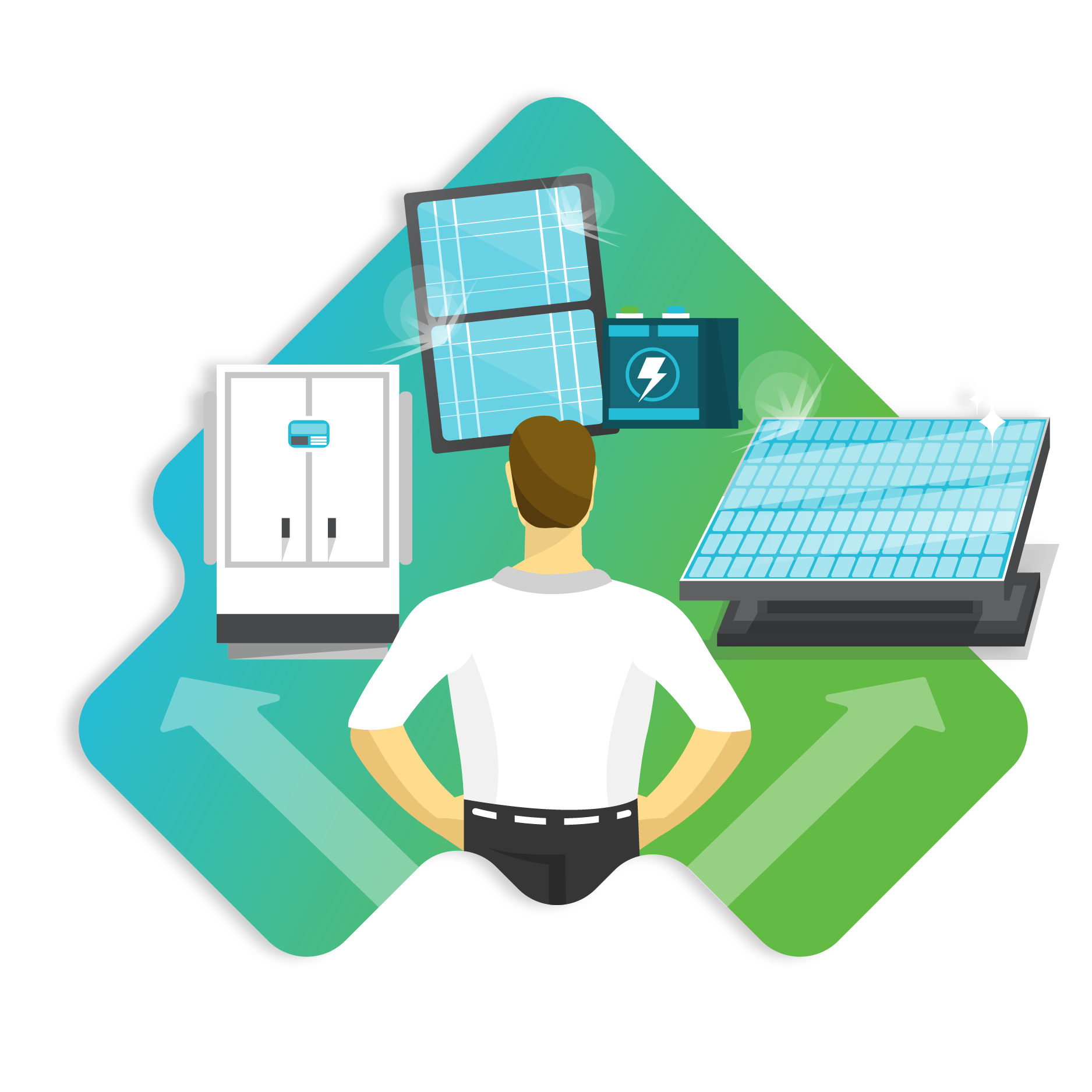
Lack of Standardization
Assets vary widely in design, equipment, and operating philosophy, requiring owners to make strategic operating model decisions to achieve consistent performance.
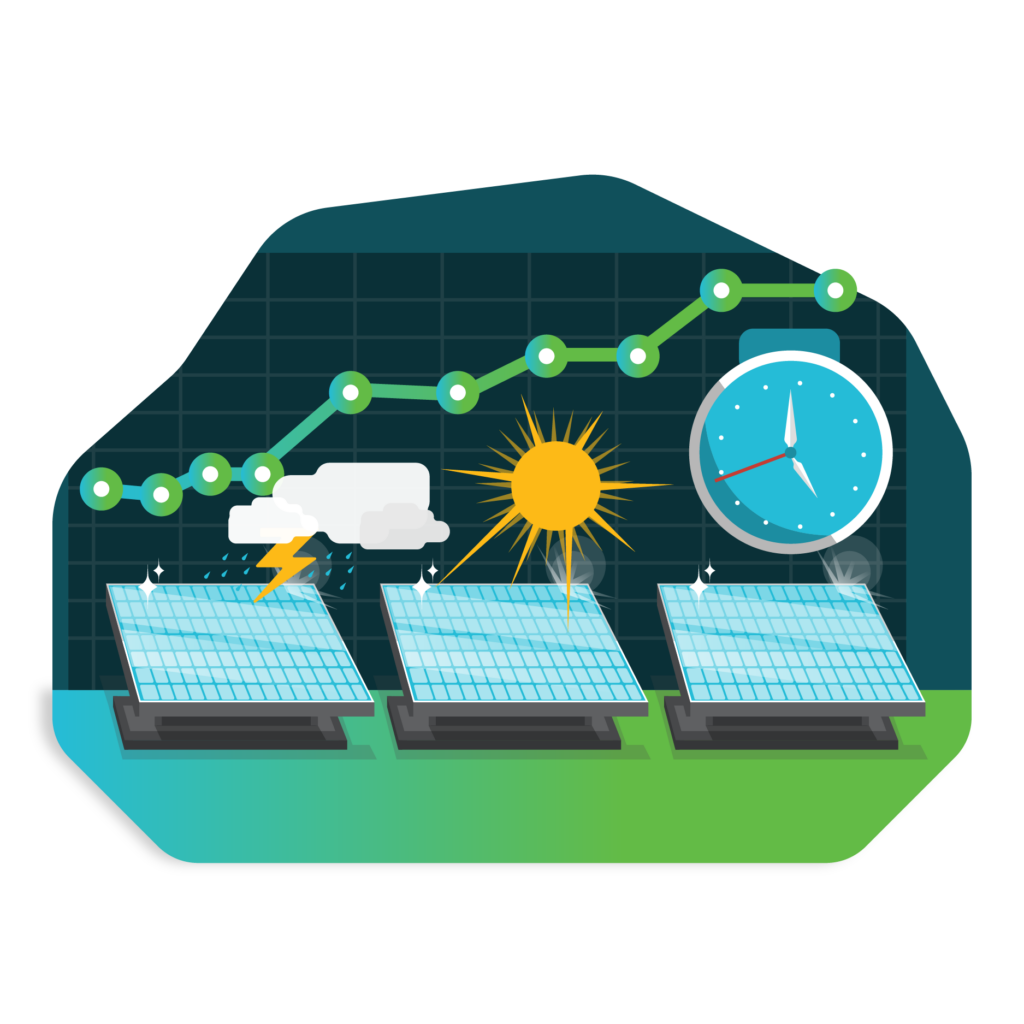
Increased Longevity

New Technologies
Typical Solar + Storage O&M Activities
Operating and maintaining a utility-scale solar + storage asset requires a coordinated set of activities spanning equipment upkeep, site management, monitoring, and administration. Each component plays a specific role in overall system performance, and each carries its own O&M requirements.
Explore the typical components of a solar + storage site and associated O&M activities
O&M Program Design: Four Pillars of High Performance
The four pillars of effective O&M program design are:
Project Life Cycle Integration
Performance Optimization
Resource Strategy
Cost and Contract Management
Project Life Cycle Integration
The best O&M outcomes begin years before operations. Effective owners treat development, engineering, procurement, construction (EPC), and operations as a single life cycle continuum, aligning design decisions, construction quality, and data readiness to ensure assets are maintainable, supportable, and optimized for long-term performance.
Key best practices include:
- Selecting proven components with strong serviceability and bankable warranty terms
- Standardizing equipment and architecture across the fleet, where practical (e.g., inverters, trackers, battery energy storage system (BESS) containers, Supervisory Control and Data Acquisition (SCADA))
- Designing for operability and maintainability, including sectionalization, redundancy, and safe maintenance while operating
- Building and verifying to durable quality standards to reduce repeat failures and early-life degradation
- Ensuring rigorous commissioning, clean turnover, and complete documentation (as-builts, settings files, warranty records)
Performance Optimization
As solar + storage portfolios scale, performance management has evolved from passive oversight to active optimization. Leading owners treat performance as a managed outcome, integrating forecasting, dispatch, analytics, compliance readiness, and solar + storage operating coordination to reduce risk and maximize value.
Key best practices include:
- Forecasting and scheduling that integrates weather, asset condition, and planned outages
- Dispatch and energy management that is aligned to revenue strategy, warranty constraints, and degradation limits
- Loss management analytics that quantify curtailment, outages, soiling, clipping, and storage efficiency impacts
- Controls and compliance readiness practices that meet interconnection, market, and applicable NERC/FERC requirements
- Integrated solar + storage operations, including energy management system (EMS) coordination, safety management, and degradation monitoring
Resource Strategy
A critical decision for owners is whether to rely on internal staff, external partners, or a hybrid model for asset and portfolio O&M. Finding the right mix often depends on fleet size, geography, budget, and organizational capabilities.
Key best practices for resource strategy for utility asset owners include:
- Defining a scalable operating model (self-perform, outsource, or hybrid) aligned to fleet growth and maturity
- Ensuring coverage for specialized capabilities (SCADA/controls, inverter troubleshooting, high voltage (HV) maintenance, BESS safety, and thermal systems)
- Structuring oversight, governance, and performance management for third-party providers
- Building repeatable training and safety programs tailored to solar + storage operations
- Aligning spares strategy and technical support coverage to criticality and lead times
Key questions to guide resource decisions:

Is the activity core to long-term value and competitive advantage?

What scale and geographic density support internal staffing?

What capabilities exist internally versus externally?

Can the organization effectively and consistently manage contractors?
Cost and Contract Management
Long-term performance depends on strong commercial discipline. Consistently organizing costs across the portfolio enables transparency, benchmarking, and better decision-making, while well-structured contracts help align incentives, establish accountability, and protect performance.
Key best practices for cost and contract management include:
- Establishing consistent cost categories across sites to enable benchmarking and outlier identification
- Using internal benchmarking to identify drivers and transition from reactive cost control to proactive optimization
- Defining O&M contracts that clearly establish scope, response requirements, and performance expectations, including:
- Corrective maintenance response times and availability standards
- Preventive maintenance planning and execution tied to technology, environment, and warranty terms
- Warranty and performance guarantees linked to minimum energy production
- Performance monitoring and reporting requirements (e.g., SCADA)
Internal O&M Cost Benchmarking
Understanding true O&M costs is the foundation of long-term optimization. Solar + storage owners must be able to identify cost drivers, compare similar sites, spot outliers, and diagnose root causes. A structured internal cost benchmarking exercise can often enable organizations to identify themes and outliers that help begin the transition from reactive cost control to proactive performance and cost management.
How We Can Help
ScottMadden brings decades of hands-on O&M expertise from across the electric power sector, supporting utilities, renewable developers, and independent power producers. Whether you are launching new solar or solar + storage assets or optimizing an existing fleet, we deliver practical, scalable solutions tailored to your operational goals.
We support clients with:
- Strategic business planning
- Industry benchmarking and best practices
- Scalable fleet management models
- Workforce development and training
- And much more
Our approach is grounded in real-world experience and a commitment to building lasting capabilities, not just providing recommendations. We partner with clients to improve performance, reduce operational risk, and increase long-term asset value in a rapidly evolving energy landscape.